
What Is Moto Riding?
Moto riding is the skill and practice of safely operating a motorcycle or scooter on public roads. It combines physical coordination, technical knowledge, road awareness, and responsible decision-making. While moto riding is for both men and women, for many women in Haldwani, Uttarakhand, it represents something deeper—independence, confidence, and the ability to move freely without dependence on others.
Understanding what moto riding truly means is the first step toward becoming a safe and confident rider. It is not just about starting an engine and accelerating. It involves balance, posture, throttle control, braking techniques, gear coordination (for geared bikes), traffic awareness, and defensive riding habits. When learned properly, moto riding becomes a lifelong skill that provides both convenience and empowerment.
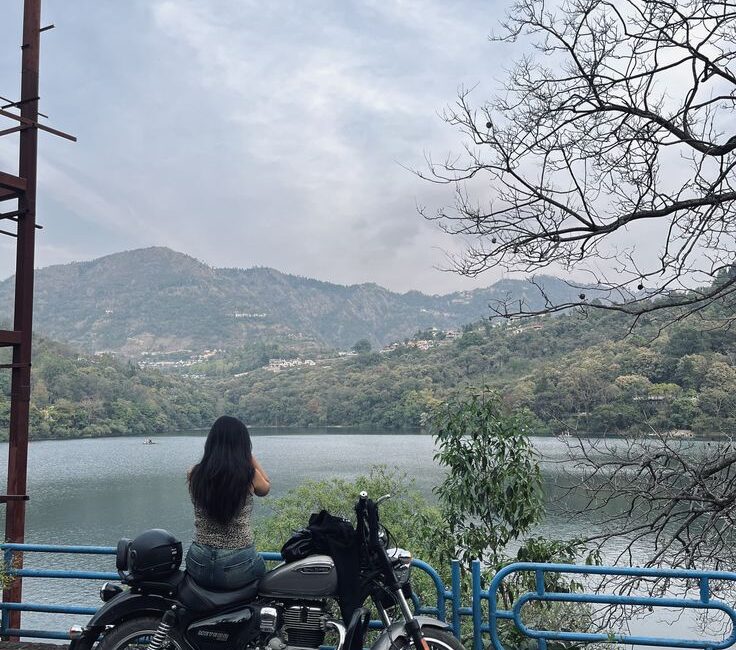
Moto Riding as a Life Skill
In a growing city like Haldwani, daily commuting can involve busy markets, school zones, narrow streets, and connecting highways. Moto riding allows individuals to navigate these routes efficiently. For women learners especially, mastering this skill brings a sense of self-reliance.
Moto riding requires coordination between hands, feet, and eyes. Riders must monitor traffic, maintain safe distance, and anticipate road conditions. Professional training institutes break this down into structured steps—starting from understanding the parts of a two-wheeler, learning correct seating posture, practicing slow-speed balance, and gradually progressing to real-road riding.
When taught by certified instructors, the learning process becomes systematic and safe. This structured approach reflects expertise and ensures that beginners do not develop unsafe habits from the beginning.
Why Moto Riding Matters in Haldwani
Haldwani’s roads present a mix of calm residential areas and busier commercial streets. Seasonal weather changes, including monsoon rains, also affect road conditions. Learning moto riding in this local context is important because it prepares riders for real-world situations they will face daily.
Professional training that includes local road exposure builds confidence. Learners understand how to handle traffic signals, roundabouts, uneven surfaces, and sudden obstacles. Instructors who are familiar with Haldwani’s traffic flow can guide students on safe turning, lane discipline, and defensive riding techniques specific to the city.
For women who may have limited previous road exposure, this localised training reduces fear and builds trust. It ensures that they are not just trained in theory but prepared for practical riding in their own environment.
Safety: The Core of Moto Riding
Safety is the foundation of moto riding for both men and women. However, beginner women riders often feel additional hesitation due to fear of falling or traffic pressure. A professional and female-friendly training environment addresses these concerns with patience and proper guidance.
Safety training includes:
Correct helmet usage and protective gear awareness
Understanding traffic signs and road rules
Proper braking techniques (front and rear brake balance)
Maintaining safe speed and distance
Emergency stopping practice
Defensive riding strategies
Certified instructors emphasise gradual progress. Beginners usually start in controlled practice areas before entering public roads. This step-by-step approach ensures confidence is built safely.
In Haldwani, where traffic patterns vary during peak hours, learning defensive riding becomes especially important. Professional institutes teach riders to anticipate risks rather than react at the last moment.
The Role of Professional and Female-Friendly Training
While anyone can technically learn from a friend or family member, professional training offers structured expertise. Certified instructors follow a curriculum designed to build strong fundamentals. They correct posture, guide throttle control, and ensure learners understand balance mechanics.
Female-friendly learning environments are particularly important for women beginners. A supportive space allows learners to ask questions freely and practice without feeling judged. Some institutes also provide women trainers, which increases comfort and confidence for first-time riders.
Experience-based teaching methods—such as repeated slow-speed drills and supervised road sessions—help reduce anxiety. When learners feel safe and respected, their learning speed improves significantly.
Moto Riding for Both Men and Women
Moto riding is not gender-specific. It is a practical life skill that benefits everyone. However, promoting inclusive training environments ensures that women feel equally encouraged to participate.
In recent years, more women in Uttarakhand have chosen to learn two-wheeler riding for education, work, and personal mobility. Safe training systems and certified instructors play a key role in this positive shift.
Encouraging both men and women to learn through professional institutes promotes responsible road culture. Properly trained riders contribute to safer traffic conditions overall.
From Beginner to Independent Rider
Moto riding begins with understanding the basics and evolves into confident, independent road navigation. The journey requires patience, practice, and proper guidance.
For women learners in Haldwani, choosing a structured, safety-focused training institute ensures long-term confidence. Learning under certified instructors, practicing on local roads, and building skills step by step creates a strong foundation.
Ultimately, moto riding is about freedom with responsibility. It empowers individuals to move independently while respecting road safety norms. With the right environment, professional training, and consistent effort, any beginner can transform into a skilled and confident rider.
Moto riding is not just transportation—it is confidence in motion.
Building Confidence Through Practice
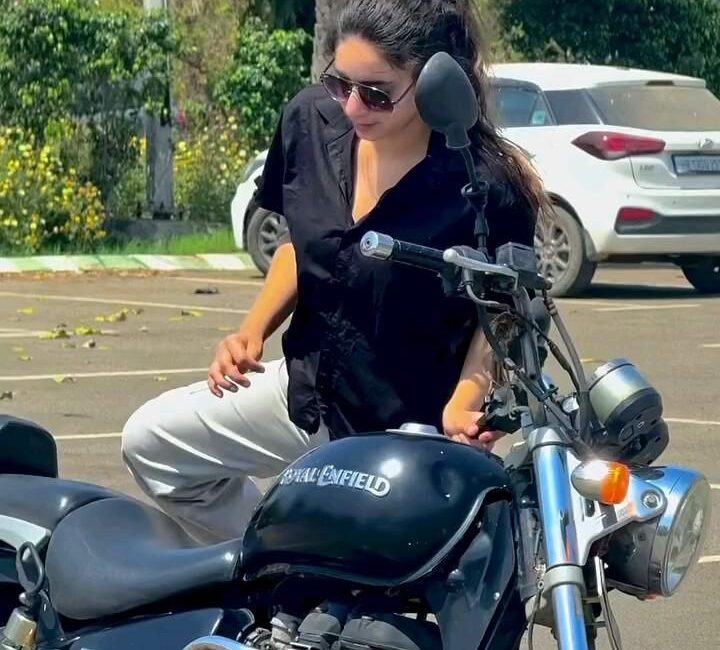
Confidence in moto riding develops gradually. It starts with mastering balance at low speed and progresses to handling traffic independently. With each session, riders gain more control and awareness.
Professional trainers focus not only on technical skill but also on mental readiness. They encourage riders to stay calm, maintain focus, and avoid panic during unexpected situations. This balanced approach reflects trustworthiness and authority in training methods.
For women in Haldwani who may have never handled a two-wheeler before, the first few sessions can feel challenging. However, with consistent practice and structured guidance, fear transforms into self-belief.
The Rise of Women Riders in Haldwani
Haldwani, being a growing educational and commercial hub, has seen increasing participation of women in workplaces, colleges, and business activities. With expanding responsibilities comes the need for flexible transportation. Two-wheelers offer affordability, convenience, and time-saving benefits.
Women riders in Haldwani are now more visible on city roads than ever before. From residential lanes to busy market areas, they are confidently navigating traffic. This shift reflects not only social progress but also the importance of structured and professional riding education.
When women receive proper training from certified instructors, they gain the confidence to handle local road conditions effectively. Exposure to real Haldwani traffic patterns during training prepares them for independent commuting.
Women riders are redefining mobility, confidence, and independence across India—and Haldwani is no exception. In recent years, more women have stepped forward to learn and master moto riding, not just as a convenience but as a powerful life skill. For many beginner women riders in Uttarakhand, learning to ride is a transformative journey that builds self-belief, courage, and everyday freedom.
Moto riding for women is not about competing with men; it is about equal access to mobility, safety, and opportunity. Whether commuting to college, managing professional responsibilities, or handling household errands, women riders in Haldwani are choosing independence over dependence.
Why Professional Training Matters for Women Riders

Many women initially feel nervous about learning to ride. Fear of traffic, balance issues, or past negative experiences can create hesitation. This is where professional training institutes make a significant difference.
Certified instructors provide step-by-step guidance starting from basic posture and balance drills to real-road practice sessions. Instead of rushing learners into traffic, professional trainers build skills gradually. This structured learning reflects expertise and ensures safety remains the top priority.
Female-friendly learning environments further enhance comfort. Women feel more confident when they are trained in supportive spaces where their concerns are heard and addressed patiently. Some institutes even offer women instructors, which can make beginners feel more at ease.
Women Riders and Empowerment
For many women in Haldwani, becoming a rider represents independence. It reduces dependency on public transport schedules or family members. Students can attend classes on time. Working professionals can commute efficiently. Homemakers can manage errands independently.
Beyond practical benefits, riding empowers women psychologically. Overcoming fear and mastering a vehicle creates a strong sense of achievement. It reinforces the belief that skills can be learned at any stage of life with proper guidance.
Women riders also become role models within their families and communities. Younger girls see them as examples of confidence and capability. This ripple effect contributes to broader social progress.
The Future of Women Riders in Haldwani
The number of women riders in Haldwani is steadily growing. With increasing awareness about professional training and road safety, more women are choosing structured learning over informal methods.
As infrastructure develops and opportunities expand, the demand for safe and inclusive riding education will continue to rise. Professional, female-friendly institutes will play a key role in shaping responsible riders.
Women riders are not just participants on the road—they are contributors to safer and more balanced traffic culture. With proper training, local road experience, and confidence-building guidance, every woman can become a skilled and independent rider.
In the end, women riders represent strength, safety, and self-reliance. With the right support system and professional training, the journey from beginner to confident rider becomes both achievable and empowering.